

February 4 is globally dedicated to a topic that affects millions of people – cancer. World Cancer Day was established to raise awareness, support prevention, educate the public, and motivate society and institutions to take action. Since its creation in 2000, this initiative, led by the Union for International Cancer Control (UICC), has become a key platform for global dialogue on oncology care.
This year continues the theme “United by Unique”, which highlights that behind every diagnosis stands a person, with their own experiences and unique life story. The campaign calls on healthcare systems to place the patient at the centre of care - to see not only the disease, but also the personal needs, social context, and reality of those affected by cancer.
Cancer remains one of the most significant health challenges of our time. Although many types of tumours can be successfully treated when detected early, there are still considerable inequalities in access to care. World Cancer Day motivates governments, institutions, and the public to reduce these disparities and to strengthen prevention, education, and research related to cancer treatment.
Every year, hundreds of organizations around the world take part in this initiative and thousands of people share their stories and experiences - collectively contributing to a shift toward more equitable and accessible healthcare. The UICC campaign is designed as a three‑year cycle (2025–2027), gradually focusing on awareness, lived experience, and real-world change in practice.
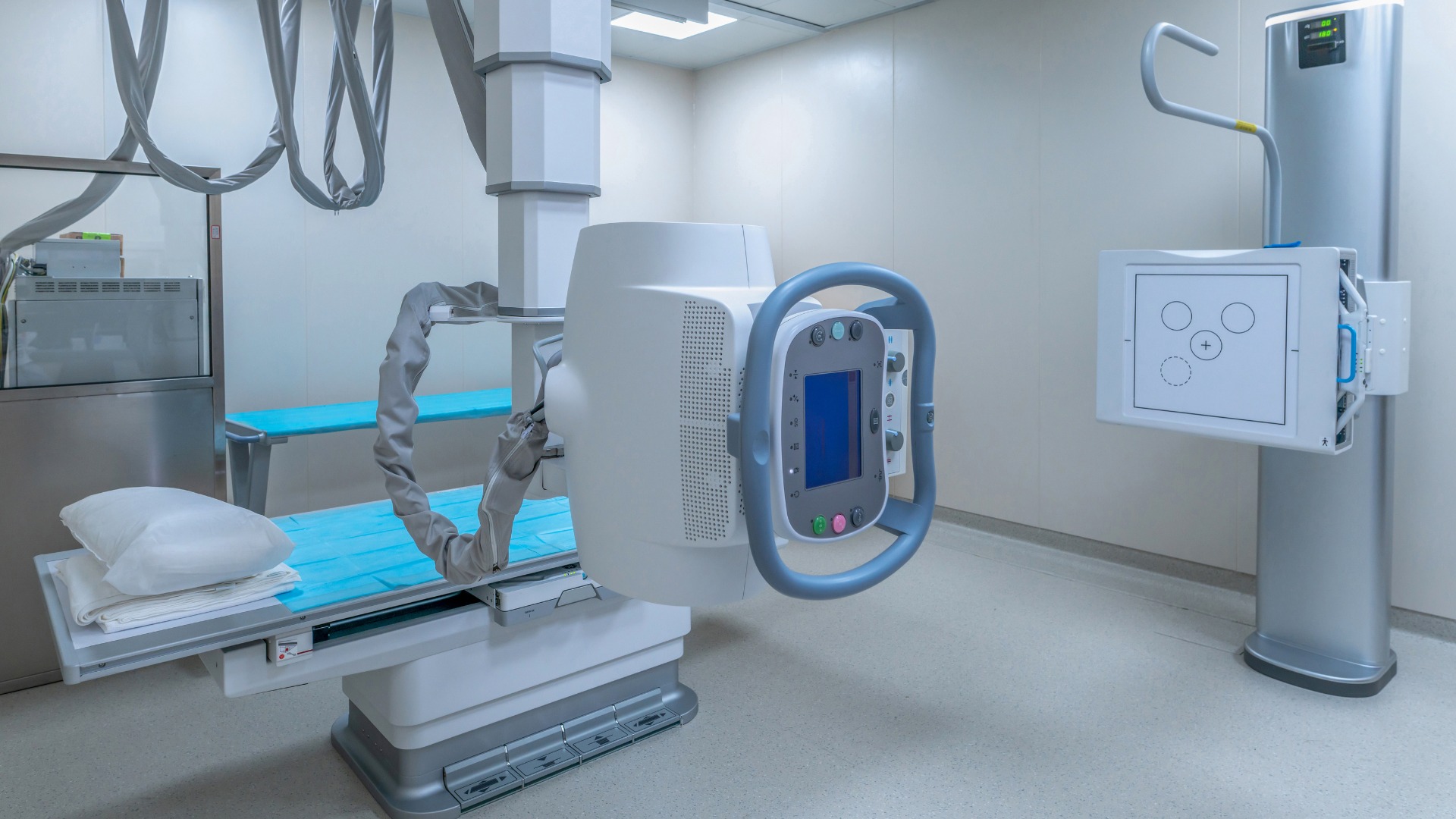
One of the most important elements of early tumour detection is diagnostic imaging using ionizing (X‑ray) radiation. X‑ray scans, CT examinations, and other imaging methods help identify cancer in its early stages, when treatment is most effective.
However, ionizing radiation naturally carries risks, especially with long-term or excessive exposure. Modern medicine therefore relies on the ALARA principle (as low as reasonably achievable) — meaning that radiation doses must be kept as low as possible while still achieving diagnostic quality.
This requires careful planning, precise protocols, high‑quality technology, and continuous professional oversight. The safety of patients and professionals in diagnostics relies on the right combination of equipment, expertise, and well‑defined limits.
We have long worked with technologies that involve ionizing radiation. Safety is therefore one of the fundamental pillars of our work, embedded in all internal processes, procedures, and technical systems.
Our radiation protection system includes:
Safety at CVŘ is not merely an obligation - it is an integral part of our mission. Whether we are conducting materials research, operating experimental facilities, or collaborating with industry and academia, every step is carried out with full regard for the health and protection of our staff.
The work of our research teams has applications in the medical field as well. We:
Science and research play an irreplaceable role in the fight against cancer - and World Cancer Day reminds us that every step toward safer technology, more accurate diagnostics, and higher‑quality care truly matters.
World Cancer Day is an opportunity to reflect on how society approaches cancer, how we support prevention, and how we handle technologies with the potential to save lives.