

The energy sector is undergoing a fundamental transformation. With the growing share of renewable energy sources, we are increasingly encountering situations where energy is available when we don’t need it, and conversely, is in short supply when demand is high. The challenge facing the modern energy sector is therefore the ability to store energy efficiently and use it at the right moment.
One promising solution is TES (Thermal Energy Storage) technology, which involves storing energy in the form of heat. The principle is simple: during periods of excess electricity, electrical energy is converted into heat, which is then stored in a storage medium. Later, when energy demand is higher, this heat can be used, for example, in industrial processes or in district heating systems.
Teams of experts at the Research Center Řež are currently working on this technology at the newly commissioned Lab-TES experimental facility. This facility is used to verify the operational characteristics of high-temperature energy storage at temperatures reaching up to 550 °C. The goal of the facility is to gain practical experience with the operation of the technology and to verify its behavior under conditions that correspond to future industrial applications.
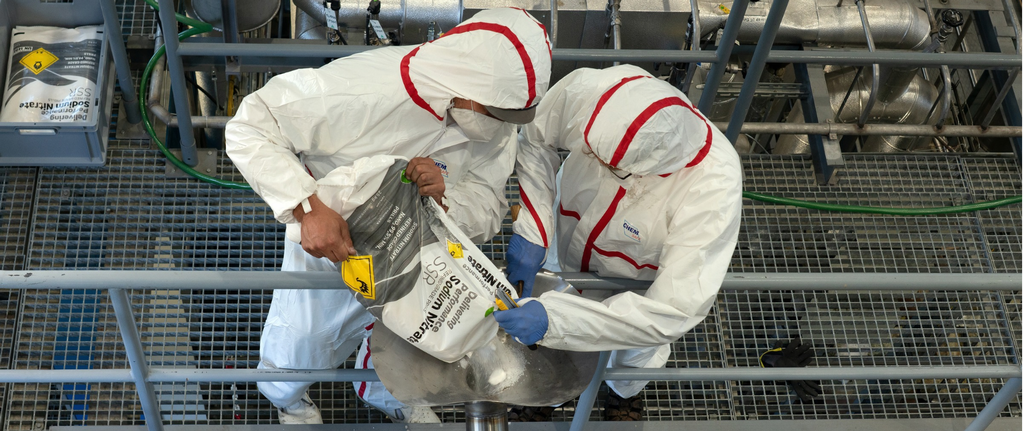
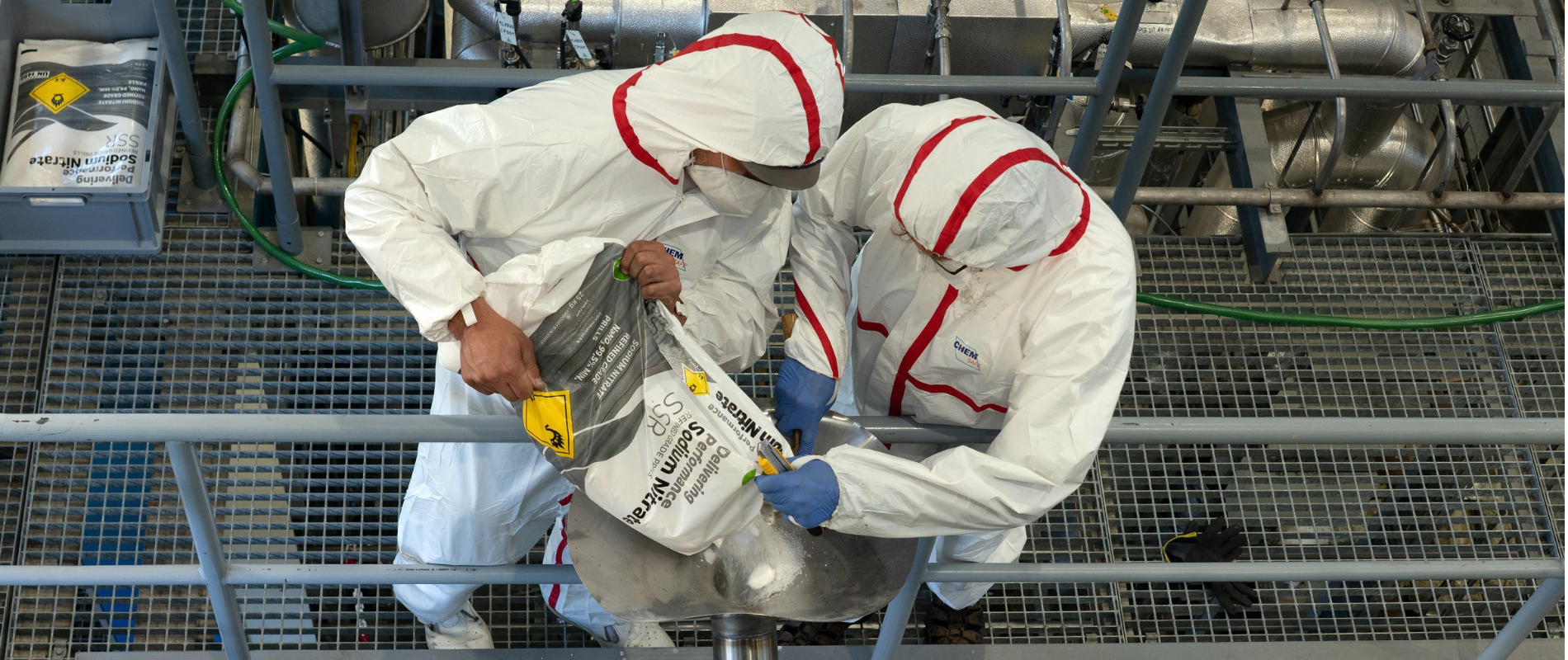
Lab-TES uses molten nitrate salt as its thermal storage medium. This offers several important advantages. It is non-flammable, non-toxic, and easily recyclable, making it a suitable solution for high-temperature heat storage. Technology based on molten salts is not new to the world. It is already in use, for example, in some solar power plants in southern Europe, where it allows energy generated during daylight hours to be stored and supplied even after sunset.
The research in Řež aims to adapt this concept to the conditions of the Central European energy sector. In a region where conditions for solar energy are not as favorable as in southern Europe, the technology can find application particularly in utilizing surplus electricity from various low-emission sources and subsequently converting it into usable heat.
However, Lab-TES is not merely a standalone research project. The data collected and operational experience gained will serve as an important foundation for a follow-up pilot project being implemented at the Mělník heating plant. There, a larger storage unit with a capacity of 9 MWh and an output of 4 MW is being built, which will be integrated into the heating plant’s existing operations.
The pilot facility will make it possible to verify the technology’s performance in real-world energy operations and contribute to a more efficient use of the energy produced. At the same time, it can support the stability of heat supply in a system that serves, among others, the capital city of Prague.
Energy storage is often cited as one of the key elements of the future energy sector. Projects such as Lab-TES demonstrate that, in addition to battery systems, there are other ways to efficiently store energy and use it when it is actually needed.